Abstract. In the modern world, digital technologies have permeated all areas of life, significantly influencing professional activities and reshaping the skillsets required for career success. This shift necessitates the adaptation and development of additional competencies, especially in the medical field.
This study explores the application of the case method in the digital age as a pedagogical tool for training medical students to meet contemporary challenges while maintaining psychological well-being. It examines current trends and challenges posed by digitalization and highlights the competencies needed by future medical professionals.
The case method has proven effective in fostering critical thinking, analytical reasoning, leadership, and social communication skills. The study outlines specific strategies and practices that enhance the effectiveness of this method in the educational process, underscoring its potential to support students’ personal growth and well-being in the context of digital transformation.
Practical recommendations are offered on how to develop and implement case-based learning, including guidance on case design, instructional organization, and assessment of learning outcomes. The findings confirm that integrating digital tools with the case method can significantly strengthen the professional readiness and resilience of medical students.
Keywords: case method, digitalization, professional skills, university, student, personal well-being, technology
Introduction
In the era of blended learning, the case method has proven itself as an effective educational technology in the higher education system. With rapidly changing technologies and dynamic labor markets, it is important for students to learn how to adapt to new conditions, solve complex problems in the face of uncertainty, and apply their knowledge in practice.
The case method allows students to gain practical work experience, which contributes to their high-quality preparation for professional activities in the digital economy. It allows students to actively participate in the educational process, make decisions based on the analysis of real data and develop critical thinking, communication skills and the ability to work in a team. In the process of working on cases, students apply the knowledge and skills acquired within the framework of their educational programs, which contributes to their professional development.
The peculiarity of the case method in the digital era is the possibility of combining traditional approaches with digital tools, which helps students not only to consolidate theoretical knowledge, but also to develop practical skills in a real professional environment. This method also improves communication, cooperation and teamwork skills.
The specified method is actively used in higher education in the Republic of Kazakhstan, where it is necessary to highlight professional medical education. Thus, the teacher provides students with information about a real professional situation related to medical practice, after which the students analyze the problem, make diagnoses, build a comprehensive work on treating patients, and offer their solutions.
The purpose of the study is to study the specifics of using the case method in the digital age to train students of medical specialties who will be able to successfully adapt to modern challenges and changes, while maintaining their psychological well-being.
Research methods
As part of our study, the focus group method was used to assess the effectiveness of using the case method in the educational process of a medical university. In addition, the sociometric method was used to study the interaction of students and teachers with information resources, as well as their interaction with each other. The experimental base for the research is the Marat Ospanov West Kazakhstan Medical University.
Results
To determine the effectiveness of using case methods in the educational process of the university in the context of digitalization, we conducted diagnostics with the participation of 3rd year students studying in the educational programs “Medicine”, “Pediatrics” of the faculty of “General Medicine” of Marat Ospanov WKMU in the amount of 436 people and 15 teachers of the Departments of Psychology and Social and Humanitarian disciplines.
The focus group methodology of Richard A. Krueger and Mary Ann Casey consisted of a set of questions that the research participants had to answer [1], (Table 1, 2).
Table 1. Results of discussions with the faculty of the department to discuss the effectiveness of using case methods in the educational process
Question 1. Why is the case method considered an effective teaching tool?
Closer to a real professional sit- Is a good simulator – 10 people Based on case methods, the Helps to systematize educauation - 15 people student remembers the mate- tional material, the basis for
rial well - 12 people conducting practical classes - 14 people
Question 2. What types of case materials can be used in the educational process?
|
Cases based on real situations – 18 people |
Author’s cases (within a specific course) - 15 people |
Cases based on game situations – 13 people |
Multicases – 7 people |
Question 3. What methods of processing case materials can be used to achieve the learning objectives?
|
Group discussion of the case - 15 people |
Analysis of role models – 15 people |
Use of simulations and visualization – 7 people |
Individual case analysis – 12 people |
Question 4. What approaches to solving cases exist?
|
Analytical approach – 12 people |
Research approach – 7 people |
Intuitive approach - 5 people |
Group approach – 10 people |
Question 5. How is the effectiveness of the case method in the educational process assessed and what assessment methods can be used to measure success?
Assessment of students’ aca- Assessment of student satis- Assessment of teaching activi- Assessing changes in student demic achievements: testing, faction: questionnaires, inter- ties – 8 people behavior and performance – essay writing, presentations views, questionnaire – 6 peo- 9 people
and other forms - 15 people ple
Table 2. Results of discussions with students on the effectiveness of using case methods in the educational process Question 1. How do you evaluate the effectiveness of using case methods in the educational process?
|
The right choice of cases - 431 Competent case organization – Active participation of students people 110 people – 410 people |
Testing results – 436 people |
|
Question 2. What do you like about working with cases?? |
|
|
Unusual, novel – 170 people Closeness to the real work situ- Group work – 430 people ation – 345 people |
Limited information - 31 people |
|
Question 3. What advantages and disadvantages of case methods do you see? |
|
|
Advantages: development of Advantages: application of Advantages: team training – analytical skills – 315 people; knowledge in practice – 397 117 people; Disadvantages: need for a large people; Disadvantages: ambiguity – 21 volume of work – 47 people Disadvantages: limited people knowledge – 24 people |
Advantages: development of critical thinking – 219 people; Disadvantages: limited teacher control – 31 people |
Question 4. What do you think about the fact that there are no right or wrong answers in case methods?
I believe that this is a very useful aspect of case methods because it promotes the development of critical thinking and the ability to make decisions under conditions of uncertainty – 387 people
In real life, it also often happens that there is no single correct answer to a complex problem, so case methods help prepare for such situations – 465 people
I believe that the lack of correct answers in case methods can be very confusing and inconvenient. When there is no clear formulation of what the correct answer is, it can create additional stress and uncertainty in the learning process
- 21 people
Case methods also help develop a creative approach to problem solving, which is very important in the modern world, where innovation and non-standard solutions are becoming increasingly valuable - 184 people
Question 5. How do case studies help you understand the material better? How do they affect your motivation and interest in learning?
|
Case studies help me understand the material better because they give me the opportunity to look at specific situations and apply theory in practice – 431 people |
I find that case methods increase my motivation and interest in studying because they make the learning process more interactive and fun. I enjoy discussing cases with other students and sharing my thoughts and ideas – 385 people |
Case studies help me remember the material better because they are associated with real situations, which are easier to remember than abstract concepts – 354 people |
Case methods can be useful, but sometimes they can be complex and confusing. Some cases require a lot of time and effort to understand, and this can be tedious – 34 people |
The following conclusions can be drawn from the teachers’ responses:
The case method is based on the active participation of students, their independence and work with real situations. This is achieved by creating situations where students make decisions.
Various types of cases can be used in the educational process, such as random situations, historical or business cases, each of which has its own pros and cons.
Case study methods, including group discussion, problem analysis and role play, promote the development of critical thinking, analytical skills and communication skills.
The effectiveness of the case method can be assessed through the analysis of students’ knowledge, skills and feedback, as well as comparison with other teaching methods.
The risks of using the case method include lack of time, the need to update materials and difficulties in assessment, which can be minimized through preparation, adaptation of cases and feedback. The teachers’ responses helped to understand how to effectively integrate the case method into the educational process, taking into account the needs of students and possible risks.
Responses from medical students indicate that case studies are an effective teaching tool that promotes better understanding of the material and its practical application. Benefits include active participation in learning, development of analytical skills and solving real-life problems. However, students may encounter difficulties due to the need for independent study and the uncertainty of the answers. The lack of clear right and wrong answers can either encourage free thinking and exploration of different points of view or create ambiguity in the learning process.
To study the interaction of medical students and teachers with information resources, the “Map of Sociometric Connections” method was used. Participants (students and teachers) indicate 3-5 most important colleagues on the map, which helps to identify possible groups for online work and adapt teaching methods. We used four parameters: “myself”, “up to 3 people”, “up to 5 people”, “up to 10 people” (Figure 1).
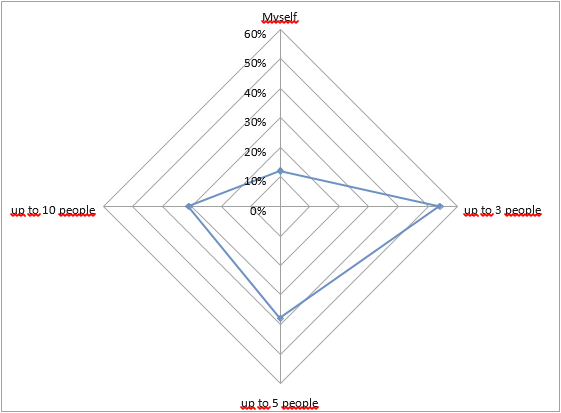
Figure 1. The result of the “Map of Sociometric Connections” method, conducted with students of pedagogical specialties
The data obtained showed that medical students are more comfortable working in groups of 3-5 people, while 12% prefer to work individually. Sociometric relationship mapping helps identify key leaders and subgroups, which improves understanding of student dynamics and sentiments. The diagnostic results also allowed us to adapt the content of the case studies, including multimedia elements and online tools. New technologies have made cases more flexible, accessible and suitable for different needs of students, allowing them to be worked on anytime and anywhere.
Discussion
The case method is one of the most popular teaching methods in the modern higher education system of the Republic of Kazakhstan. Its key concept is to provide students with the opportunity to develop analytical and critical thinking through solving real or specially designed learning problems that develop specific professional skills. In our study, we will consider the designated topic using the example of the system of training students - future medical workers.
The case method in professional medical education allows students not only to theoretically master medical knowledge, but also to develop practical skills. It helps future physicians, pediatricians and medical specialists effectively solve complex situations related to the diagnosis and treatment of patients, which helps them prepare for work in a dynamically changing medical world.
Research confirms that the case method is a powerful tool for developing the professional skills of future specialists, and in particular, doctors. For example, a study conducted at Harvard Business School found that students taught using the case method developed skills in complex problem solving, communication, and critical thinking significantly better than students educated using traditional methods [2].
Another study conducted at the University of Chicago found that using case studies in the educational process helps develop critical thinking, information analysis skills, and the ability to make informed decisions [3]. In addition, the case method can help improve communication skills, as it often requires discussions and exchange of opinions between students. In his work “Learning Theory: Displaying Knowledge,” L.I. Brunner describes the case method as an active learning method that is based on the analysis of real examples (cases) from practice. According to Yangon Zhang, the case method promotes the development of systemic thinking and helps students effectively apply theoretical knowledge in practice [4]. The case method also relies on the principles of constructivism, which emphasize the importance of students’ active participation in the learning process and their independent search for solutions to problems. This approach not only promotes the acquisition of new knowledge, but also develops independent thinking and creativity skills. Kauno K. and David A. Garvin explored the application of the case method in various fields, including medicine and education [5]. Also Gunte Frans, Biagosht Antoua highlighted the principles of the case method and methods of its application in teaching [6].
A number of scientific works by Kazakhstani scientists, such as Baibolatova A.K., Kenesova S.E., Satybaldina A.B., Musina G.K., Sadvakassova Zh.A., Orynbaeva N.S., Alibekova G.K., examine the use of the case method in higher education. The authors analyze its advantages and disadvantages, and also describe the process of introducing this method into the educational process of the university [7,8,9,10].
Therefore, the case method is not only an effective way of developing professional skills, but also a theoretically sound approach that promotes the development of critical thinking, a systematic approach, independence and creativity in students.
Let us note the positive trends in the application of this method in teaching medical specialties. Thus, the use of the case method helps students develop decision-making skills in conditions of uncertainty and incomplete information, which is especially important in the digital age. This is especially relevant in the education of medical students, where information is often heterogeneous and incomplete.
The case method also promotes the development of teamwork skills and knowledge sharing. Working in groups helps future doctors learn to communicate effectively, express ideas and make collective decisions. In the digital age, with the rise of remote work, such skills are becoming especially important.
The case method develops critical thinking and skills for analyzing information, identifying cause-and-effect relationships in medical students, where the ability to quickly analyze data and make decisions based on available information is becoming key in the digital age. This method helps medical students develop skills in solving practical problems that may arise in their professional activities. In the digital age, where technology is changing rapidly, such skills are especially relevant. The case method develops communication and group interaction skills in future doctors, which is important for any professional activity. It helps to effectively express thoughts, make decisions based on limited information and analyze data, which is especially relevant in the digital age. This method teaches students to solve practical problems based on real situations and work with information from different sources. Using the case method in higher medical education helps develop skills in working with technology, data analysis and using online resources. In the context of rapid technological development, these skills are becoming especially important for successful professional activity.
Digital transformation significantly changes the case method as a teaching tool. The transition from printed materials to e-learning tools improves the flexibility and accessibility of cases, allowing medical students to access them from anywhere in the world. In the digital era, the number of interactive elements such as video, audio, simulators, and simulation digital tools has increased, which helps students better learn the material and apply knowledge in practice.
Digital technologies also enhance collaboration, allowing students to use online platforms to work on projects together. These changes open up new possibilities for the case method, requiring teachers and students to master new approaches and skills.
In the context of digitalization, the use of the case method faces a number of challenges. Firstly, it is necessary to adapt cases to new technologies such as mobile devices, online platforms and social networks, which requires teachers to create materials that correspond to modern formats. Secondly, the cases should reflect current issues in the professional sphere, including challenges related to cultural and social differences arising from globalization. Another challenge is maintaining personal interactions between students and teachers, especially in a virtual environment. To overcome these challenges, educators can use online platforms and mobile applications to create interactive cases and improve communication, and develop multidisciplinary cases that will be useful for teaching medical students in the digital age.
Young people are often at the forefront of social change, fighting for civil rights, environmental sustainability, and equality. Examples of movements such as Fridays for Future, led by Greta Thunberg, emphasize the importance of young people in combating global issues such as climate change [11]. This activism extends beyond environmental concerns, with youth-led movements addressing a wide range of social justice issues. The Black Lives Matter movement, for instance, has seen significant youth participation in advocating for racial equality. Similarly, youth-driven initiatives have been instrumental in promoting digital rights and privacy protection in the age of widespread surveillance. The March For Our Lives movement in the United States demonstrates young people’s commitment to gun control and school safety. These movements showcase the power of young voices in shaping public discourse and policy. Moreover, the digital age has amplified youth activism, allowing for rapid mobilization and global coordination through social media platforms. This interconnectedness has enabled young people to share ideas, organize protests, and challenge traditional power structures more effectively than ever before [12, 13].
Thus, the digital era opens up new prospects for the application of the case method, improving its effectiveness in training and developing professional skills.
The results of the study showed that the case method, adapted to the digital age, is an effective tool for developing professional skills in students, including those in medical specialties. Digital technologies such as virtual simulations and educational platforms enable the creation of cases that mimic real-life situations that future healthcare professionals will encounter, including diagnosis, patient interactions and treatment planning. This promotes the development of critical thinking, decision-making and reflection skills in conditions close to real professional practice. However, for the effective use of the case method in a digital environment, it is necessary to take into account the level of digital literacy of students and teachers, provide access to technical resources and develop a methodological base focused on modern technologies. Such approaches strengthen practice-oriented learning and increase the readiness of medical students to work in the context of digitalization of healthcare.
Conclusion
The conducted study showed that for the effective application of the case method in teaching medical students it is recommended:
- Develop cases based on real medical situations so that students can better understand their context and connection to practical activities.
- Engage students in discussions to develop critical thinking and communication skills needed in medical practice.
- Provide participants with additional resources and materials for in-depth study of the topic.
- When teaching online, use interactive tools such as online whiteboards, chats and mobile apps for effective communication and interaction.
- To prepare teachers to use the case method, to teach them the appropriate methods and approaches in teaching.
Such approaches strengthen practice-oriented learning and increase the willingness of medical students to work in the context of digitalization of healthcare without compromising their personal well-being. Proper organization of training using the case method allows achieving significant results and providing maximum benefit to students.
Gratitude. This research is funded by the Committee of Science of the Ministry of Science and Higher Education of the Republic of Kazakhstan (IRN AP19678139 Assessment of socio-psychological opportunities for intensive growth of well-being of learning youth in Western Kazakhstan).
Vasic B.K. - https://orcid.org/0000-0002-8723-1703
Miraleyeva A.I. - https://orcid.org/0000-0002-3251-5645
Knissarina M.M. - https://orcid.org/0000-0002-7350-1768
- Richard A. Krueger, Mary Anne Casey. Focus Groups: A Practical Guide For Applied Research, 3rd Edition. 2003:245.
- Данилин РА. Кейс-метод в вузовском иноязычном образовании студентов. Вестник Тамбовского университета. Серия: Гуманитарные науки. 2021;26:95-106. doi: 10.20310/1810-0201-2021-26-195-95-106.
- Сайтханова СА, Повзун ВД. Роль метода кейс-стади в формировании профессиональных компетенций студентов-бакалавров направления «Экономика». Мир науки. Педагогика и психология. 2020:2. https://mir-nauki.com/PDF/99PDMN220.pdf
- Yandong Zhang. Empirical Research on the Effectiveness of Case Method in Business English Teaching. Topics in Cognitive Science. 2010;2(4):716724. doi: 10.1111/j.1756-8765.2010.01115.x.
- Kauno K. A new approach: the case study method in accounting. Clausius Scientific Press, Canada. 2024:61-68. doi: 10.23977/curtm.2024.070410.
- Gunthe F, Biagosch A. Case Studies in Strategic Management. MANAGPROF. 2018:91. https://books.google.kz/books?id=N6BtDwAAQBAJ&printsec=frontcover&hl=ru#v=onepage&q&f=false
- Ryumina E.A. Case method in teaching sdgs to international relations students in an efl classroom. Foreign Language Teaching at University: New Challenges and Solutions. 2024; 6(2):117-128. doi: 10.24833/2949-6357.2024.REA.2.
- Султанова МС., Муканова АБ., Ахметжанова ДС.,. ВАЖНОСТЬ ИСПОЛЬЗОВАНИЯ КЕЙС-МЕТОДА В УЧЕБНОМ ПРОЦЕССЕ ВУЗА. Вестник КазНПУ имени Абая. Серия: Педагогические науки. 2024;80(4):251 – 260. doi: 10.51889/2959-5762.2023.80.4.024.
- Burnayev ZR, Al’shimbayeva GA, Shengel’bayev KT, Zharmakhanova GE. KEYS-METOD KAK INTERAKTIVNYY METOD OBUCHENIYA. Internauka: elektron. nauchn. zhurn. 2022; 33(256). https://internauka.org/journal/science/internauka/256
- Nurkeshov B, Mamykova R. Эффективность использования STEM обучения на основе Case-Based Learning в процессе преподавания биологии. Journal of Educational Sciences. 2022;72(3):130–139. doi:10.26577/JES.2022.v72.i3.012.
- Короткова АВ. Особенности и перспективы климатического движения школьников. Южно-российский журнал социальных наук. 2020;21(2):62-78. doi: 10.31429/26190567-21-2-62-78.
- Первые выводы о том, что помогло привлечь молодежь во время выборов 2020 года. Центр информации и исследований по гражданскому обучению и вовлечению. 2021. https://circle.tufts.edu/latest-research/early-takeaways-what-worked-reach-youth-during-2020-election
- Baikulova A, Knissarina M, Syzdykbayeva A, Taubayeva G, Meterbayeva K. Evaluating Youth Well-Being in Western Kazakhstan: A Comprehensive Analysis of Education, Health, and Civic Engagement. Journal of Social Studies Education Research, Sosyal Bilgiler Eğitimi Araştırmaları Dergisi.
https://jsser.org/index.php/jsser/article/view/5977
Additional files